
Pest Management Tools
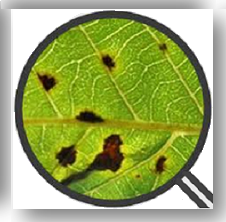
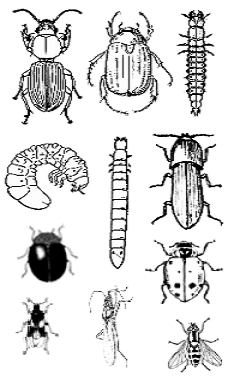
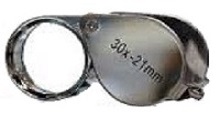
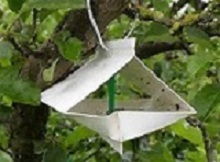
1. Tools needed to monitor pests
2. Use Biological Controls
Biological control uses a pest's natural enemies to help suppress pest populations. These natural enemies, collectively known as "beneficials" may be predatory insects, parasites, pathogens or nematodes. Beneficials are most effective against indirect pests. They are less effective at keeping populations of direct pests, those that attack the harvested product, at levels acceptable for commercial production.
Natural enemies can be adversely affected by the crop environment and the pesticides used to manage pest populations.
IPM programs attempt to minimize adverse effects of pesticides on beneficials and take advantage of the pest suppression provided by these insects.
Avoid use of pesticides that are toxic to the most important beneficials in a cropping system.
Encourage a diverse habitat around the perimeter of the field where beneficial insects can live.
2. Cultural Controls
3. Mechanical/Physical Controls
4. Chemical Controls: Pesticides
Chemical controls include synthetic, inorganic, botanical and biological pesticides. They kill target pests, limit subsequent populations and are important tools for crop protection when used in an IPM program. Understand the pest's life cycle and apply chemicals at the stage when the pest is most vulnerable.

Conceptualized, Designed and Developed by Shabir Ahmad Mir, Sr. Computer Programmer, KVK (Farm Science Centre), Kulgam, Kashmir.
EVALUATION & VALIDATION COMITTEE